
 SharifovR@LawfirmSR.com
 #
# 516-505-2300


Nassau County DWI Attorney
Driving While Intoxicated
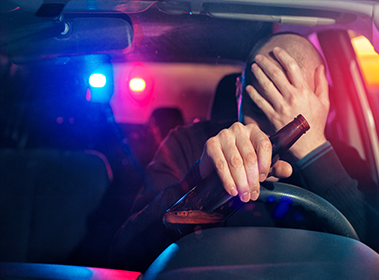 If you have been arrested and charged with DWI, you need to contact an experienced DWI attorney to handle your matter. DWI arrest and conviction have many consequences. Drivers arrested for DWI face jail, probation, seizure of a motor vehicle, driver license revocation, fines and penalties, various programs, ignition interlock and of course criminal conviction. It is very important to be represented by an experienced Nassau County DWI lawyer from the very beginning as DWI cases are very technical, have many details that inexperienced attorneys or attorneys who do not regularly practice in this area may not be aware of. Attorneys at Sharifov & Associates, PLLC are very experienced Long Island DWI Lawyers and represent clients at all stages of DWI case: arraignment, pre-trial representation, suppression hearings, motion practice and trials.
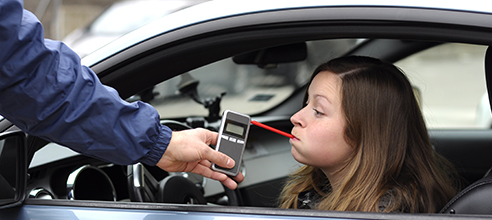
DWI stands for diving while intoxicated. One way prosecutors prove driver intoxication is through scientific testing of the amount of alcohol in the body, usually by analyzing the breath or blood. These tests are usually administered by machines, such as the Breathalyzer. In every state, a person with a blood-alcohol concentration (BAC) over .08% is considered legally intoxicated. Implied-consent laws create the legal presumption that if a person takes advantage of the privilege of driving, he or she automatically consents to state-administered chemical testing to determine his or her BAC. If a driver refuses to take a chemical-alcohol test, his or her drivers license may be revoked or suspended. BAC test results over the legal limit are usually presumed to be proof of intoxication. However, defendants may challenge the conclusiveness of the results by showing irregularities in the test administration procedure or problems with the test equipment.
Other types of evidence used by prosecutors to show intoxication include drivers’ statements, witness and police observations of behavior and driving patterns, and circumstantial evidence. Police also gather important evidence of intoxication by administering standard field sobriety tests (FSTs) at the scenes of traffic stops. Common field sobriety tests include:
- Finger-to-nose test
- Walk-and-turn test
- Horizontal-gaze-nystagmus test
- Counting backwards
- Reciting the alphabet
- Standing on one leg
What happens if a driver refuses to submit to a chemical test?
If motorist refuses to submit to a chemical test after being arrested, upon his arraignment, his license will be immediately suspended by the presiding judge.
The license will remain suspended for 15 days or until the date of the DMV hearing, whichever comes first. Failure of the motorist to appear at the DMV hearing constitutes a waiver and will result in revocation. At the time of such DMV hearing an administrative judge will decide the following:
- Whether the arresting Police Officer had reasonable grounds to believe that the motorist was operating his vehicle in violation of any subdivision of Article 1192.
- Whether the arrest of the motorist was lawful
- Whether the motorist was given sufficient warning in clear and unequivocal language prior to his refusal to submit to the chemical test or any portion thereof would result in the immediate suspension or revocation of their license or privileges whether or not they were found guilty of the charge for which they were arrested.
- Whether the motorist refused to submit to the chemical test.
DMV Hearing is a very very important hearing.
NOT ONLY BECAUSE AN ADVERSE FINDING WILL HAVE A SEVERE CONSEQUENCE ON THE MOTORIST BUT ALSO FOR THE CRIMINAL CASE AGAINST THE MOTORIST.
THEREFORE, MOTORIST/DRIVER MUST RETAIN EXPERIENCED ATTORNEY TO REPRESENT HIM AT THIS HEARING
New York DWI Penalties.
A DWI charge in New York is not a one-size-fits-all situation. The penalties you face depend on the specific type of offense charged, how many prior DWI-related convictions appear on your record, how much time has passed since those prior convictions, and even the county where the case is being prosecuted. What follows is a basic overview of the penalties associated with the most common DWI-related offenses in New York State. This is not an exhaustive list — every case carries its own set of circumstances, and only an experienced New York DWI defense attorney can give you a complete picture of what you are facing.
First Offense DWAI (Driving While Ability Impaired by Alcohol)
DWAI is a traffic infraction, not a crime, but it still carries real consequences. A conviction brings a fine of $300 to $500, up to 15 days in jail, and a 90-day license suspension.
First Offense DWI or DWAI-Drugs
A standard DWI — operating a vehicle with a blood alcohol content of .08 or higher — and a DWAI-Drugs conviction carry identical penalties at the first offense level. Both are misdemeanors. Penalties include a fine of $500 to $1,000, up to one year in jail, up to three years of probation, a minimum six-month license revocation, and a mandatory Ignition Interlock Device installed on any vehicle you own or operate for at least 12 months.
First Offense DWAI — Combined Influence of Alcohol and Drugs (DWAI-A/D)
Being impaired by a combination of alcohol and drugs at the same time is treated the same as a standard DWI or DWAI-Drugs at the first offense level — a misdemeanor with a fine of $500 to $1,000, up to one year in jail, up to three years of probation, at least a six-month license revocation, and a mandatory Ignition Interlock Device for a minimum of 12 months.
First Offense Aggravated DWI
Aggravated DWI applies when a driver’s blood alcohol content is .18 or higher — more than twice the legal limit. This is still a misdemeanor at the first offense level, but the penalties are considerably steeper. A conviction carries a fine of $1,000 to $2,500, up to one year in jail, a minimum one-year license revocation, and a mandatory Ignition Interlock Device for at least 12 months. The DMV also now assigns 11 points to any DWI-related conviction under the updated 2026 point system.
First Offense Aggravated DWI with a Child Passenger (Leandra’s Law)
If you are charged with Aggravated DWI while a child 15 years of age or younger is a passenger in the vehicle, New York law elevates the charge to a Class E Felony automatically — even on a first offense. This is known as Leandra’s Law. A conviction can result in up to four years in state prison, up to five years of probation, a fine of $1,000 to $5,000, a minimum one-year license revocation, and an Ignition Interlock Device requirement that lasts at least 12 months and can extend through the entire probation period.
The Consequences Go Beyond the Courtroom
A DWI conviction of any kind affects far more than just your sentence. It can impact your employment, your professional licenses, your immigration status, your auto insurance, and your ability to travel internationally. Second and subsequent offenses within a 10-year lookback period carry dramatically harsher penalties, including felony charges and mandatory minimum jail sentences. DWI is an incredibly technical field – in terms of the law, in terms of the fact pattern associated with each DWI case, in terms of the science involved, and in terms of how the DMV and criminal justice system treat it. Because of this, you need a lawyer who is current with ever-changing DWI laws, who is experienced in Trial Courts and who will fight to protect your rights and privileges.
If you have been charged with a DWI in New York, the decisions you make in the earliest stages of your case matter enormously. The attorneys at Sharifov & Associates, PLLC are highly experienced in defending DWI and traffic-related offenses throughout Nassau County, Suffolk County, and the greater New York area.
📞 516-505-2300